What about is COPERNICUS FESTIVAL?
Copernicus Festival is a popular science event where we showcase the relationship between science and other parts of culture. Together with invited guests, we discuss how scientific discoveries and theories influence the contemporary worldview, and we face questions that have always inspired people of science, philosophy and culture.
The festival is organised by the Copernicus Centre for Interdisciplinary Studies at the Jagiellonian University, the Copernicus Centre Foundation, the Tygodnik Powszechny Foundation and the publisher of Tygodnik Powszechny.
Copernicus Festival is a free and open to all event. This year’s edition of the Copernicus Festival explores the complex processes of human evolution, the cosmos and the emergence of consciousness. Copernicus Festival is a free and open to all event. This year’s edition of the Copernicus Festival explores the complex processes of human evolution, the cosmos and the emergence of consciousness. The programme will feature lectures by leading scientists from around the world, discussions, film screenings and artistic events. Our guests will include: consciousness researcher Anil Seth; paleoanthropologist John Hawks; and cosmologist Hiranya Peiris, who specialises in cosmic microwave background radiation.
2026 edition of Copernicus Festival is more than special. For the very first time, we have managed to establish a partnership with the European Research Council, meaning that our festival guests will include numerous recipients of prestigious ERC grants.
We’ll see you between May 19 and 24 at the Museum of Engineering and Technology in Krakow!
Take part in the COPERNICUS FESTIVAL ‘26
All events are free of charge!
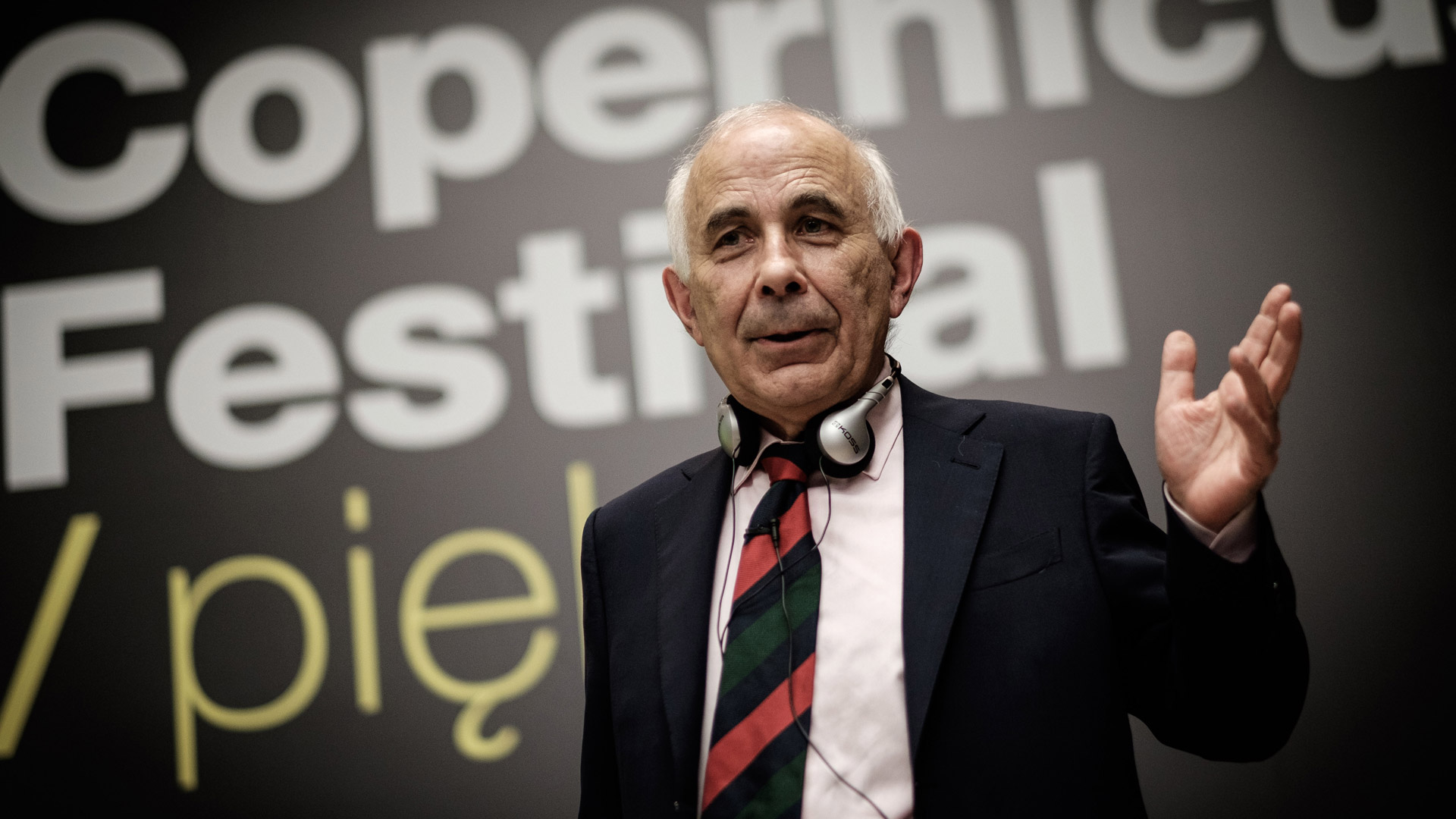
Guests of the festival
Hiranya Peiris
Anil Seth
David Krakauer
Ewa Paluch
John Hawks
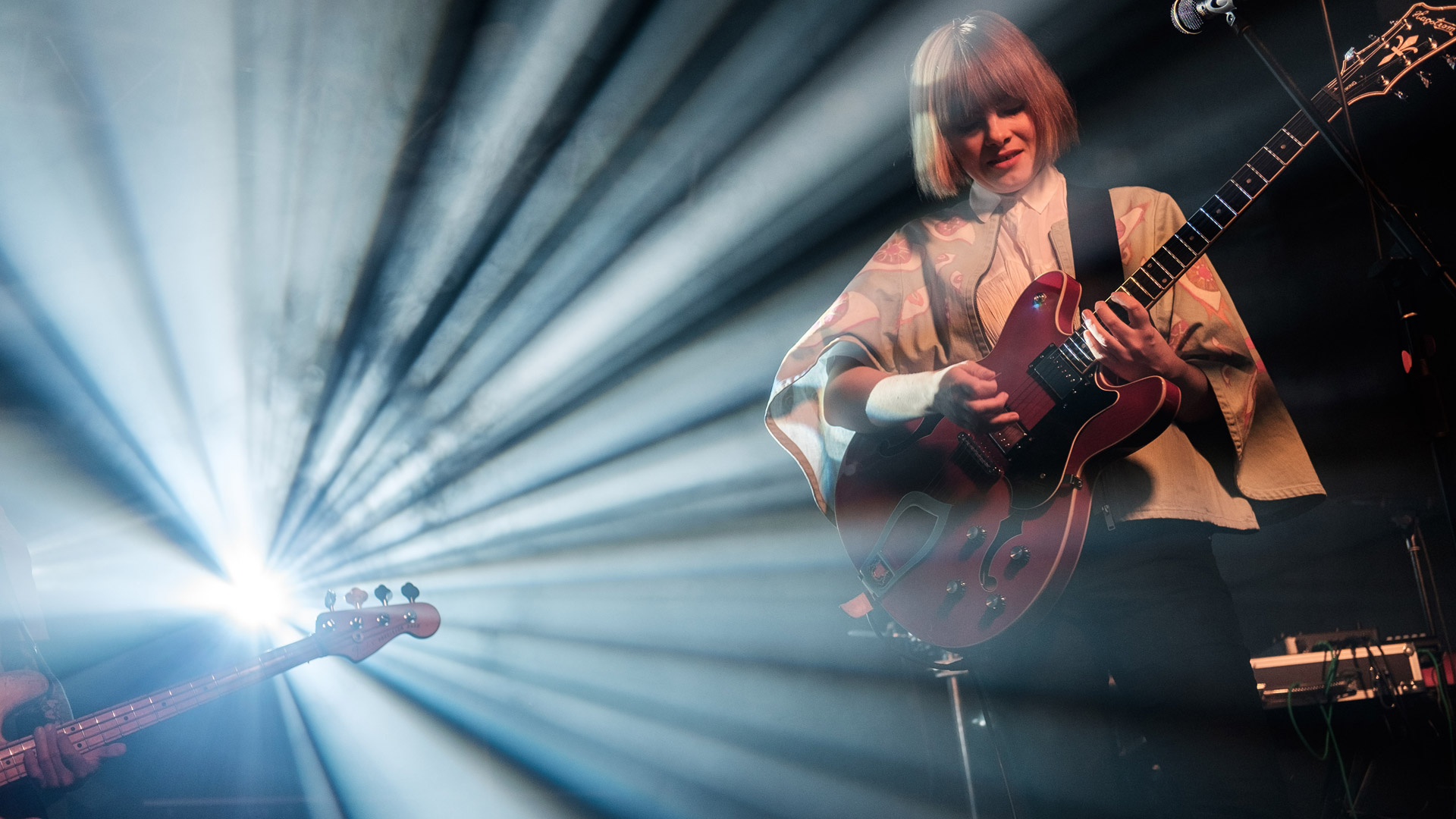
Special Events
News
Main Program
Day 1: Tuesday
SYMMETRY BREAKING
Serengeti – the Motherland of Humankind
Free of charge
Climatology
Free of charge
Modern Cancer Therapies
Free of charge
Cryptography in Crypto
Free of charge
Opening Gala
Free of charge
Day 2: Wednesday
STRUCTURE
On the Waves of the Universe
Free of charge
Physics
Free of charge
The Edge of the Universe, and The Frontiers of Physics
Free of charge
The OGLE Project: From Free-Floating Exoplanets to Primordial Black Holes
Free of charge
Decoding the Cosmos
Free of charge
U Are the Universe (dir. Pavlo Ostrikov, Belgium, Ukraine 2024, 101’)
Free of charge
Day 3: Thursday
ADAPTATION
Improbable Probability
Free of charge
Complexity economics
Free of charge
Emerging technologies
Free of charge
AI Applications in Science
Free of charge
The Complex World
Free of charge
State of Emergency (dir. Jan Hřebejk, Czech Republic 2024, 100′)
Free of charge
Day 4: Friday
EVOLUTION
City, science and business: an alliance of convenience or a union of choice?
Free of charge
All Shades of Green
Free of charge
Synthetic Biology
Free of charge
What exactly is life?
Free of charge
Architektura genów a nowotwory
Free of charge
Why Shape Matters: How Cells Build Our Bodies?
Free of charge
Heart of Oak (dir. Laurent Charbonnier, Michel Seydoux, France 2022, 80′)
Free of charge
Day 5: Saturday
COGNITION
Why we still need philosophy today?
Free of charge
Neurobiology
Free of charge
Little Brains, Big Brains
Free of charge
Proportional Participatory Budgeting
Free of charge
What is consciousness, and could AI have it?
Free of charge
Agent of Happiness (dir. Arun Bhattarai, Dorottya Zurbó, Hungary, Bhutan 2024, 93’)
Free of charge
Day 6: Sunday
RELATIONS
The Age of Mammoths
Free of charge
Paleoanthropology
Free of charge
Are We Facing a Crisis in Relationships?
Free of charge
Why do we need linguistic diversity?
Free of charge
A new history of Homo sapiens
Free of charge